Election Officials Voice Alarm Over Prediction Markets Affecting Trust in 2026 Midterms
Alex Walter · Aug 15, 2026
Election Officials Voice Alarm Over Prediction Markets Affecting Trust in 2026 Midterms
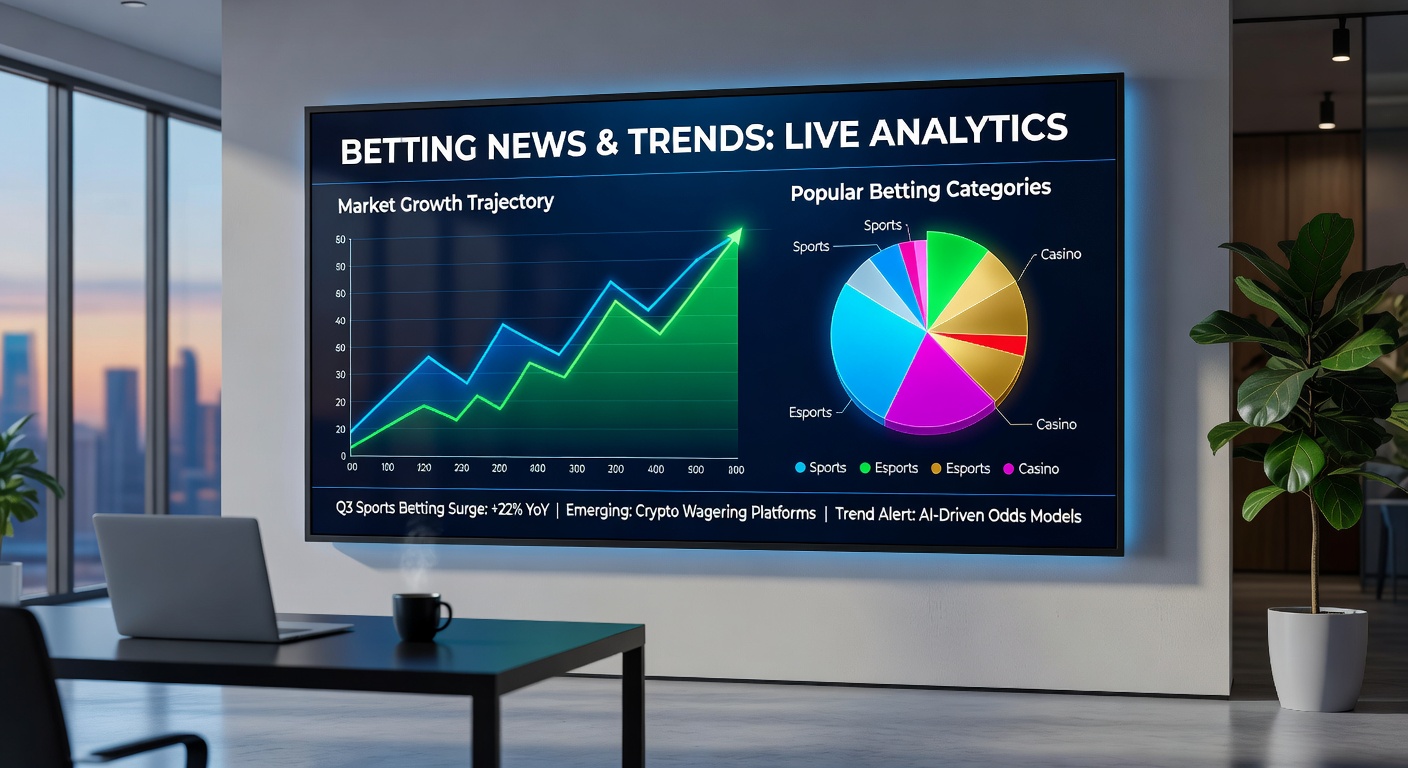
Election officials across multiple states have started raising flags about prediction markets such as Kalshi and Polymarket, where participants place bets on political results including the 2026 midterm elections, and these platforms now show signs of chipping away at public confidence in voting processes, according to reports from August 2026. An NBC News analysis revealed nearly $200 million in trading volume tied directly to midterm election outcomes on these sites, a figure that has prompted state regulators to examine how market fluctuations intersect with actual vote tallies.
Trading Volumes Reach New Heights in August 2026
Data from the analysis shows traders have poured substantial sums into contracts that predict everything from Senate control to individual race margins, and this activity has coincided with periods of heightened scrutiny around preliminary results that deviate from market pricing. Officials note that when early counts differ from what prediction markets suggested, some observers quickly question the integrity of the counts rather than accepting normal variations in reporting timelines. This pattern has appeared in several jurisdictions where betting interest ran high, leading local election boards to track public reactions more closely than in previous cycles.
Examples of Suspicion and Misinformation Spread
One documented case involved a gubernatorial race where initial precinct returns trailed market expectations by a noticeable margin, and within hours social media posts began circulating claims that results had been altered to match betting payouts. Election staff in that state responded by issuing real-time clarifications on vote tabulation procedures, yet the initial wave of doubt lingered in online discussions for days. Similar incidents have surfaced in congressional districts where Polymarket and Kalshi volumes exceeded previous benchmarks, prompting officials to coordinate with platform operators for clearer disclaimers about how markets operate separately from official canvassing.
Researchers tracking these events point out that prediction markets rely on continuous trading and collective intelligence signals, while election results unfold through sequential reporting that can shift as more ballots are counted. The mismatch creates openings for narratives that frame any deviation as evidence of interference, and officials worry this dynamic will intensify as volumes grow ahead of November 2026.
Manipulation Risks and Overlapping State Restrictions
State election directors have also highlighted incentives for potential manipulation, since large positions in these markets could theoretically motivate efforts to influence perceptions or even outcomes in tightly contested areas. Although platforms maintain compliance teams and limit individual exposures, officials argue that the financial stakes introduce new variables not present in traditional polling or forecasting. More than half of states already restrict betting on elections through statutes that predate the rise of event contracts, and regulators are now reviewing whether these rules extend to federally approved prediction platforms or require additional enforcement steps.
Data on state-level restrictions released in June 2026 underscores the patchwork of laws that election offices must navigate, with some jurisdictions treating election contracts as illegal gambling while others allow limited participation under federal oversight. This legal fragmentation has led to calls for clearer federal guidance that could reduce confusion for both platforms and state administrators.
Coordination Efforts Between Officials and Platforms
In response to these developments, several state associations have begun scheduling briefings with representatives from Kalshi and Polymarket to discuss transparency measures such as real-time volume disclosures and public education campaigns. These meetings focus on separating market-driven price movements from official election administration, and participants have explored joint statements that clarify the independent nature of betting activity. Election offices in states with active trading on midterms report increased staffing for misinformation monitoring teams, particularly during the weeks surrounding primary results and early voting periods.
Observers note that the $200 million trading figure from the NBC analysis reflects only contracts explicitly tied to 2026 midterms, and additional volume exists on related political events that could indirectly affect perceptions of electoral fairness. Platforms have responded by emphasizing their use of settlement criteria based on certified results from state canvassing boards, yet officials maintain that public understanding of these mechanisms remains limited in many areas.
Looking Ahead to November 2026
As August 2026 gives way to the fall campaign season, election administrators continue to document instances where market activity intersects with public discourse around vote counting. The focus remains on preserving trust through proactive communication and consistent application of existing statutes, while platforms adapt their operations to address concerns raised by state-level oversight bodies. This evolving situation highlights the intersection of financial markets and democratic processes without clear precedent in prior election cycles.
Conclusion
The concerns raised by election officials center on documented trading volumes, observed public reactions to result discrepancies, and the legal landscape governing election-related betting across states. Continued monitoring through the remainder of 2026 will determine whether additional safeguards or coordination protocols become necessary to maintain confidence in both the electoral system and the markets operating alongside it.