Esports Platform Integrations Fueling Changes in Live Wagering Behaviors
Yves Lehmann · Aug 17, 2026
Esports Platform Integrations Fueling Changes in Live Wagering Behaviors
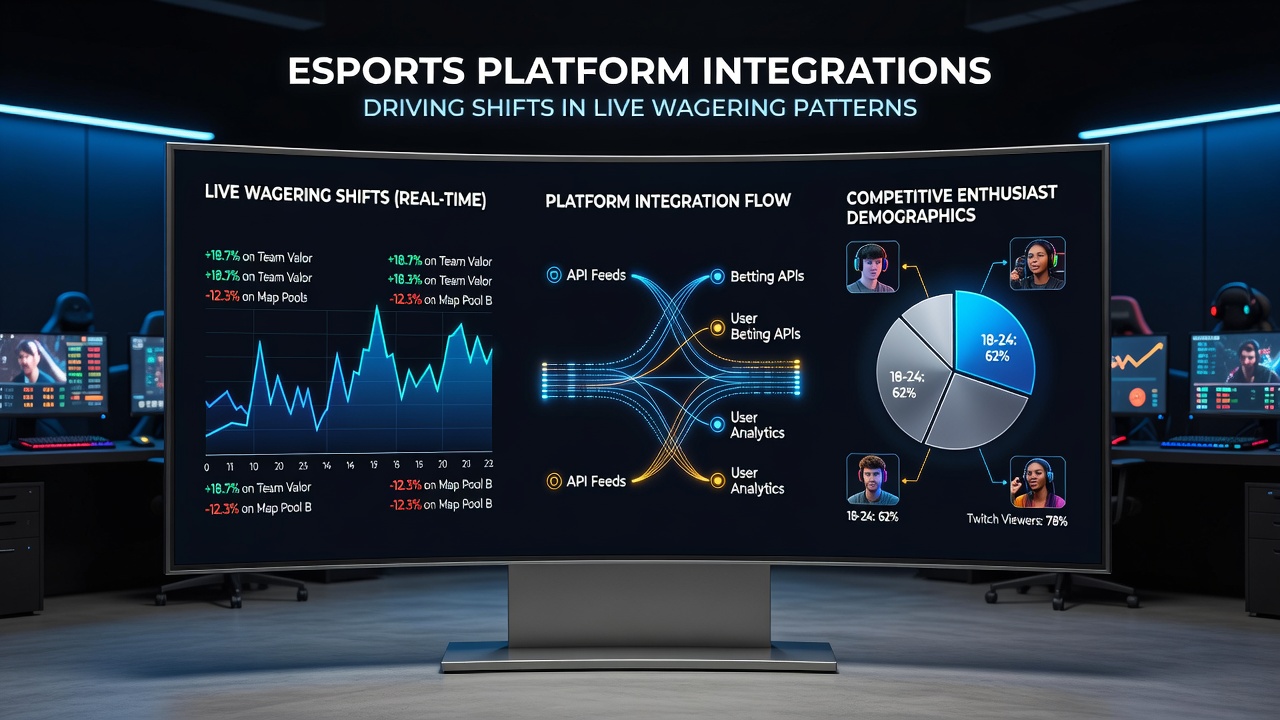
Platform integrations between major esports titles and betting operators have accelerated the pace at which competitive gaming enthusiasts place live wagers, with real-time data feeds now embedded directly into game clients and streaming overlays. These connections allow bettors to adjust positions on match outcomes, player statistics, and in-game events without leaving the viewing environment, which data from industry tracking services shows has increased the frequency of micro-bets during single matches.
Platform Architecture and Data Sharing
Developers have opened application programming interfaces that transmit live match statistics to licensed operators, enabling odds to update within seconds of events such as objective captures or player eliminations. In August 2026, several titles expanded these partnerships to include predictive models that surface suggested wager types based on historical performance data pulled from the same feeds. Observers note that this seamless flow reduces the time between an in-game occurrence and a bet placement, shifting patterns away from pre-match wagers toward continuous in-play activity across platforms.
Observed Shifts in Wager Timing and Type
Competitive gaming enthusiasts have moved toward shorter-duration bets that resolve within individual map segments or rounds rather than entire series, according to aggregated transaction records released by multiple operators. Volume of bets placed on specific player actions, such as first blood or utility usage, has risen in regions where platform integrations include granular stat overlays. Researchers tracking these patterns report that average session length for live wagering has extended because users remain engaged through multiple micro-decisions instead of committing to single larger positions at the start of events.
Regional Data Patterns Emerging in 2026
Markets in Asia-Pacific have recorded higher adoption rates of integrated mobile betting features tied to popular multiplayer online battle arena titles, with transaction logs indicating a preference for rapid-fire wagers on team economy and item purchases. European operators, meanwhile, have documented increased use of bundled bet builders that combine several in-game metrics into single tickets, a format made possible through direct platform data access. Figures released by the Casino Regulatory Authority of Singapore highlight steady growth in esports-related handle during the first half of 2026, coinciding with new integration rollouts for regional leagues.
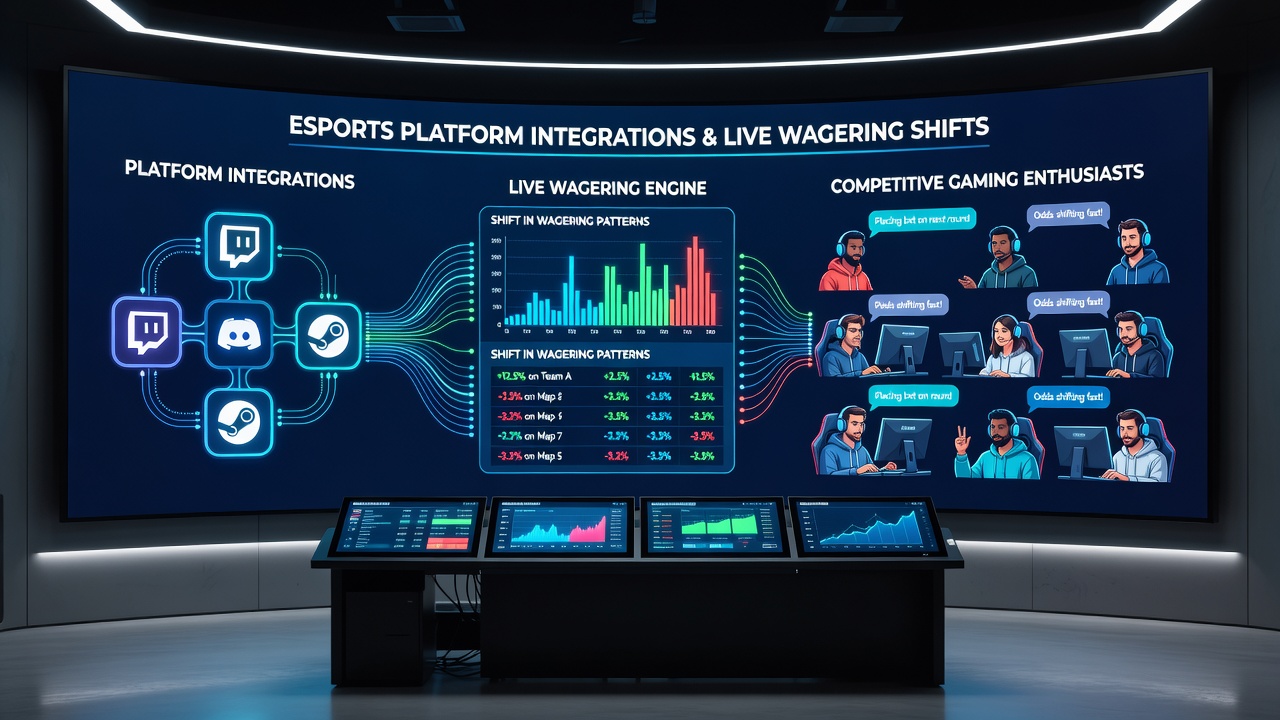
North American platforms have introduced verification layers that sync with game accounts, allowing instant deposit and withdrawal flows during ongoing matches. This technical alignment has coincided with measurable changes in bet sizing, where smaller incremental wagers appear more frequently in the data sets shared by operators. Those monitoring retention metrics note that users who engage with integrated features tend to maintain activity across longer tournament windows compared with earlier periods when separate applications were required for each step.
Regulatory and Integrity Considerations
Authorities in multiple jurisdictions have begun reviewing how these integrations affect responsible gambling tools, particularly around the speed of decision-making during live events. The National Gambling Control Commission in South Korea has issued guidance requiring operators to maintain clear separation between game interfaces and betting prompts to prevent unintended placements. Similar discussions have taken place within the European Gaming and Betting Association, where members have shared best practices for displaying time-stamped odds alongside in-game action without overwhelming users.
Integrity monitoring groups have also gained access to the same data streams, enabling faster detection of unusual betting clusters that align with specific player behaviors. This transparency stems directly from the platform agreements that now include audit provisions for licensed partners. Data indicates that the volume of flagged transactions has remained stable even as overall live wagering activity has grown, suggesting that the integrations themselves have not introduced new risk vectors beyond those already present in traditional esports betting.
Conclusion
Esports platform integrations continue to reshape how enthusiasts interact with live wagering markets by embedding real-time information and transaction capabilities into the core viewing experience. Transaction records and regulatory filings from August 2026 illustrate clear movement toward higher-frequency, shorter-duration bets across multiple regions. As these technical connections mature, operators and oversight bodies maintain focus on balancing accessibility with safeguards that protect participants throughout extended competitive sessions.