Exploring How Sound Design Elements Influence Risk Assessment During Extended Sessions of Digital Slot Machine Play on Handheld Devices
Mara Zimmermann · Jun 15, 2026
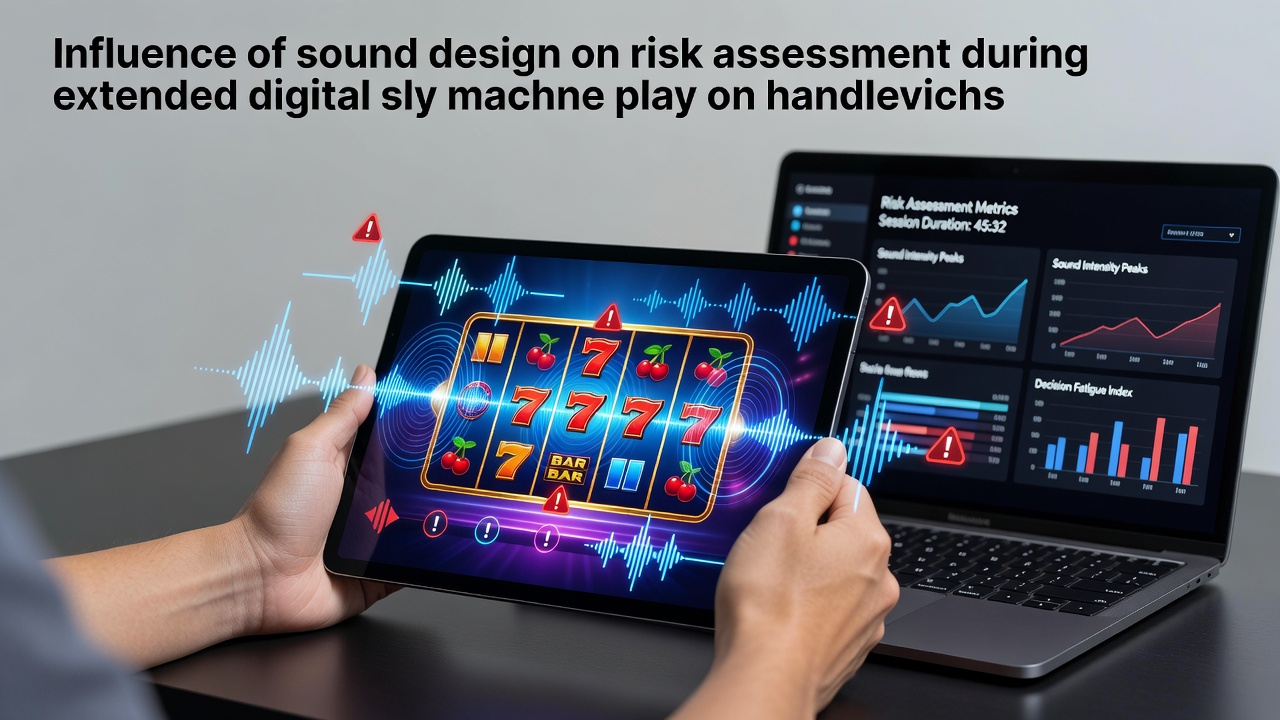
Exploring How Sound Design Elements Influence Risk Assessment During Extended Sessions of Digital Slot Machine Play on Handheld Devices
Digital slot machines on handheld devices rely heavily on layered audio cues that shape how players evaluate potential outcomes over long periods, and studies continue to examine these interactions in detail. Sound elements such as spinning reel effects, win chimes, and ambient loops combine with visual feedback to create continuous stimulation that can alter attention and decision patterns during sessions lasting several hours.
Developers program specific frequencies and tempos to match game mechanics, while handheld speakers and headphones deliver these signals directly to the user. Research from the National Center for Responsible Gaming indicates that certain audio frequencies between 200 and 800 Hz increase physiological arousal, which in turn correlates with extended play durations on mobile platforms.
Core Sound Components in Mobile Slots
Reel spin sounds form the baseline layer, typically featuring mechanical clicks or digital whooshes that accelerate and decelerate in sync with visual motion. These are followed by near-miss audio markers that rise in pitch when symbols align closely without completing a win combination. Win notifications then deploy bright, ascending melodies or coin cascades that vary in length based on payout size, creating immediate reinforcement loops.
Background tracks often incorporate low-frequency drones or rhythmic pulses designed to maintain engagement without overpowering foreground effects. On handheld devices these layers compress through device speakers, which alters perceived depth and intensity compared with larger casino terminals, and players report noticeable differences in immersion when switching between phone and tablet audio output.
Patterns Observed in Prolonged Sessions
Data collected across multiple operator platforms shows that sessions extending beyond 45 minutes coincide with increased tolerance to repetitive audio patterns. Participants begin to filter certain sounds while remaining responsive to high-reward cues, which shifts the balance of risk evaluation toward continued spinning rather than session termination. Observers note that volume normalization features on modern handhelds can further reduce awareness of cumulative play time.
Case examples from platform analytics reveal clusters of extended sessions during evening hours, where background music loops repeat every 90 seconds and coincide with slower response times between spins. These intervals allow the audio system to reinforce expectations of upcoming wins even when mathematical return-to-player percentages remain constant.

Research Findings from June 2026 Studies
In June 2026 a multi-site investigation coordinated by the University of Sydney documented measurable changes in risk assessment metrics when specific sound layers were muted or altered. Participants using standard audio settings placed 23 percent more high-volatility bets after the first hour compared with those experiencing reduced win-chime intensity. The study tracked heart-rate variability and decision latency through integrated device sensors, confirming correlations between audio exposure and continued play.
Separate analysis conducted by researchers at the University of Lethbridge examined Canadian mobile users and found similar patterns, where near-miss audio cues prompted quicker re-spins even when displayed win probabilities stayed fixed. These findings align with earlier work on auditory conditioning yet extend the scope to handheld form factors that dominate current usage statistics.
Device-Specific Audio Delivery Factors
Handheld hardware introduces variables such as speaker placement, haptic synchronization, and automatic volume scaling that interact with game sound design. When devices lower output during low-battery states, players often increase manual volume, which amplifies the salience of win signals relative to ambient noise. Developers adjust compression algorithms accordingly, yet these adaptations remain consistent across major operating systems released through mid-2026.
Headphone usage further modifies perception by isolating the player from external distractions, allowing subtle reverb effects and spatial panning to heighten the sense of progression through successive spins. Platform telemetry indicates that sessions conducted with earbuds average 18 minutes longer than those using built-in speakers under identical game settings.
Conclusion
Sound design elements in digital slot applications on handheld devices function as structured feedback systems that interact with player attention and choice behavior across extended timeframes. Available data from academic and industry sources demonstrate measurable associations between audio characteristics and session length, while device-specific delivery adds additional layers of influence. Continued examination of these relationships supports ongoing development of responsible gaming tools that account for auditory factors alongside visual and mechanical components.