Florida Poll Uncovers Rising Sports Betting Participation and Regulatory Support
Viktor Koch · May 18, 2026

Florida Poll Uncovers Rising Sports Betting Participation and Regulatory Support
Researchers at the University of North Florida’s Public Opinion Research Lab teamed up with Sport Impact Jax to survey registered voters across the state and the results paint a clear picture of shifting habits in online and mobile sports wagering. Conducted between January 30 and February 3 2026 the poll reached 823 registered Florida voters and found nearly one in four residents have placed at least one online or mobile sports bet while one in five report doing so multiple times over the previous year.
Data from the survey also shows average wagers placed on the 2026 Super Bowl reached $54 per bettor yet many participants described experiencing substantial single-day losses. These figures arrive as sports betting continues to expand through mobile platforms and observers note the numbers reflect broader national patterns of increased participation following legalization efforts in various states.
Survey Methodology and Timing
The study relied on a random sample of registered voters which allowed researchers to capture attitudes from a politically active segment of the population. Pollsters collected responses over four days in late January and early February 2026 giving the data a timely snapshot of behavior just before the Super Bowl and well ahead of the current May 2026 news cycle. Experts have observed that such timing helps isolate seasonal spikes in wagering activity while still providing baseline trends that remain relevant months later.
Because the sample focused on registered voters the findings emphasize perspectives from individuals already engaged with civic processes. Analysts point out this approach yields reliable indicators for policymakers who track public opinion on emerging industries like mobile sports betting. The poll’s structure included questions on frequency of bets average wager amounts and attitudes toward government oversight which together create a multifaceted view of the activity.
Participation Rates and Betting Patterns
Figures reveal that roughly 24 percent of respondents have tried online or mobile sports betting at some point and approximately 20 percent placed bets several times during the past twelve months. Those who bet on the 2026 Super Bowl reported an average stake of $54 yet a notable share described losing significant sums in a single day. Researchers discovered these loss experiences often occurred during high-profile events when betting volume and emotional investment tend to rise together.
People who have followed similar surveys in other states recognize that Florida’s numbers align closely with regional averages. Data indicates younger voters and those with higher household incomes show elevated participation rates although the poll did not release detailed demographic breakdowns in its initial summary. Observers note the combination of widespread trial and repeated use suggests mobile betting has moved from novelty to routine for a meaningful portion of the population.
Support for Additional Oversight
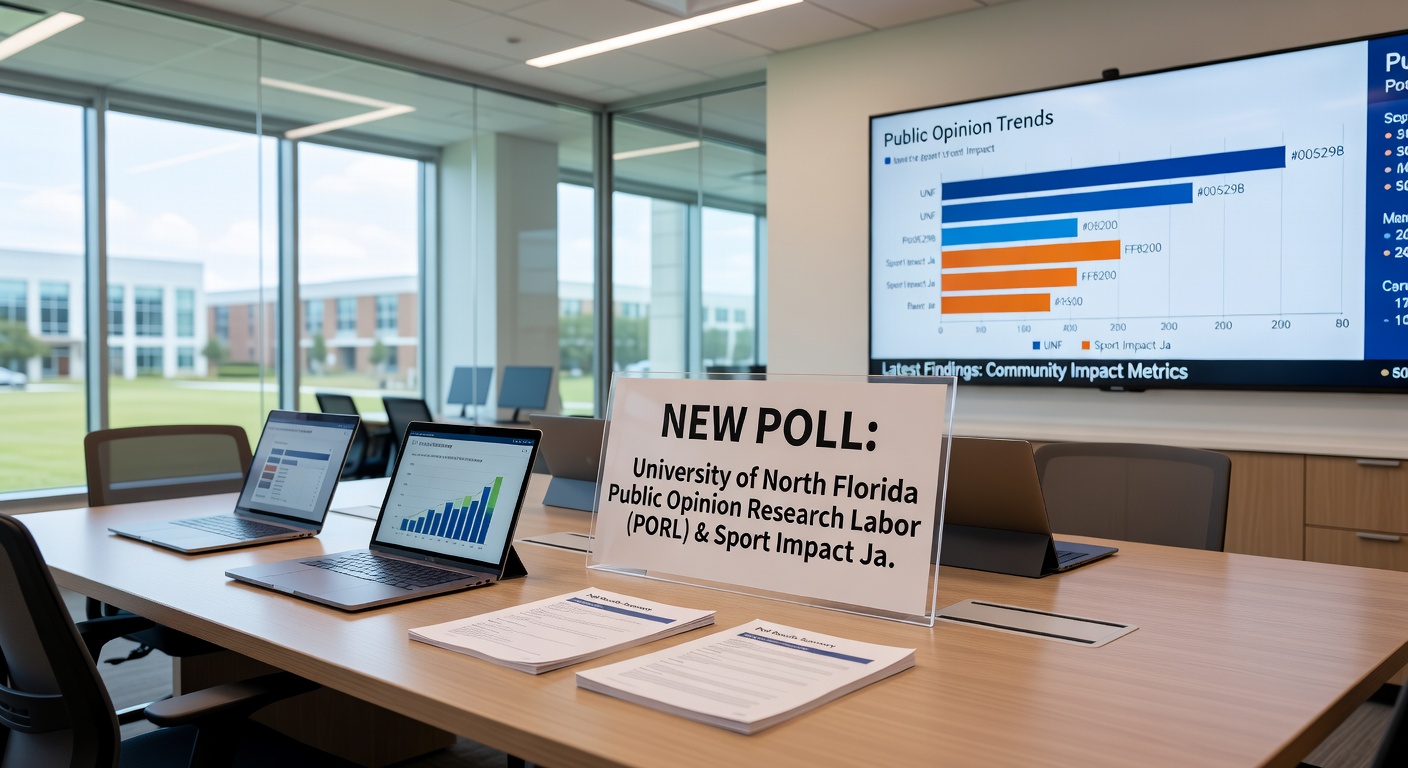
Half of the surveyed voters expressed support for increased regulation or limits on online and mobile sports betting. This stance appears even among some respondents who have placed bets themselves which suggests the desire for guardrails extends beyond non-participants. According to the SIJAX-PORL-SportBetting report the 50 percent figure reflects a balanced split between those favoring stricter rules and those comfortable with the current framework.
But here’s the thing: support for regulation often grows alongside rising participation rates because more residents encounter both the entertainment value and the financial risks. The poll results therefore provide lawmakers with concrete evidence that public sentiment favors thoughtful oversight rather than unrestricted expansion. Those who have studied similar trends in other states note that early regulatory adjustments can shape long-term market stability and consumer protection standards.
Broader Context in May 2026
As Florida enters May 2026 the January-February poll continues to influence discussions among legislators and industry stakeholders. The timing allows policymakers to consider the data while preparing for the next legislative session and while mobile sportsbooks adjust marketing strategies ahead of upcoming seasons. Researchers continue to track whether participation rates hold steady or accelerate during the summer months when live sports offerings shift toward baseball and international soccer.
Significant single-day losses reported by many bettors underscore the need for tools that help users manage spending. The survey did not ask respondents to detail specific loss amounts yet the frequency of such experiences signals an area where operators and regulators might focus future safeguards. Data shows that clear spending limits and real-time alerts represent common requests from participants who want to maintain control over their activity.
Conclusion
The University of North Florida and Sport Impact Jax poll supplies a factual baseline for understanding sports betting behavior among Florida voters in early 2026. With nearly one quarter of respondents having tried mobile or online wagering and half supporting tighter limits the findings offer lawmakers and operators measurable guidance. Average Super Bowl bets of $54 alongside reports of notable single-day losses further illustrate both the appeal and the potential downsides of the activity. Observers expect continued monitoring of these trends as the state moves through the remainder of 2026 and into future seasons.