How Notification Timing Patterns Shape Wager Frequency Among Users of Portable Sports Platforms
Mara Zimmermann · Jun 24, 2026
How Notification Timing Patterns Shape Wager Frequency Among Users of Portable Sports Platforms
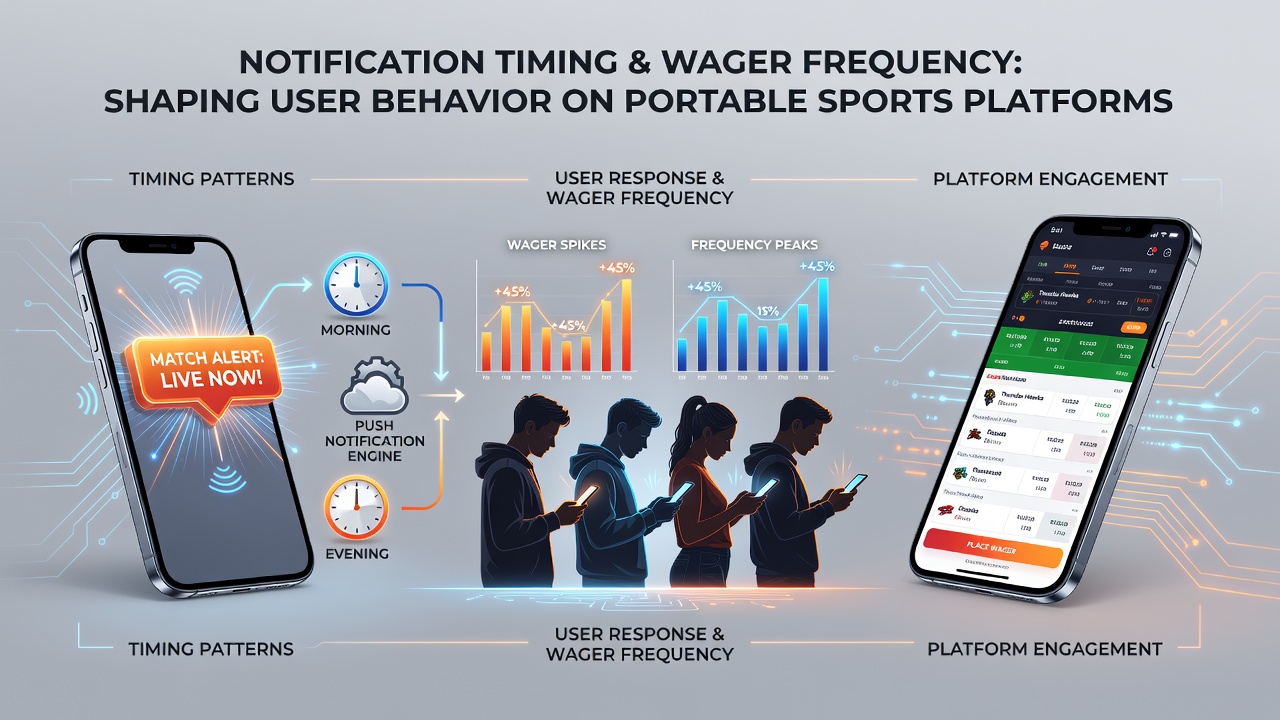
Portable sports platforms send millions of notifications each day, and researchers continue to examine how the precise timing of those alerts correlates with changes in wager frequency. Data from multiple markets shows that users respond differently depending on whether messages arrive in the hours before an event, during live play, or at recurring times across the week. Platforms collect timestamped engagement metrics that reveal clear clusters where notification delivery lines up with increased bet placement rates.
Timing Windows and Observed Patterns
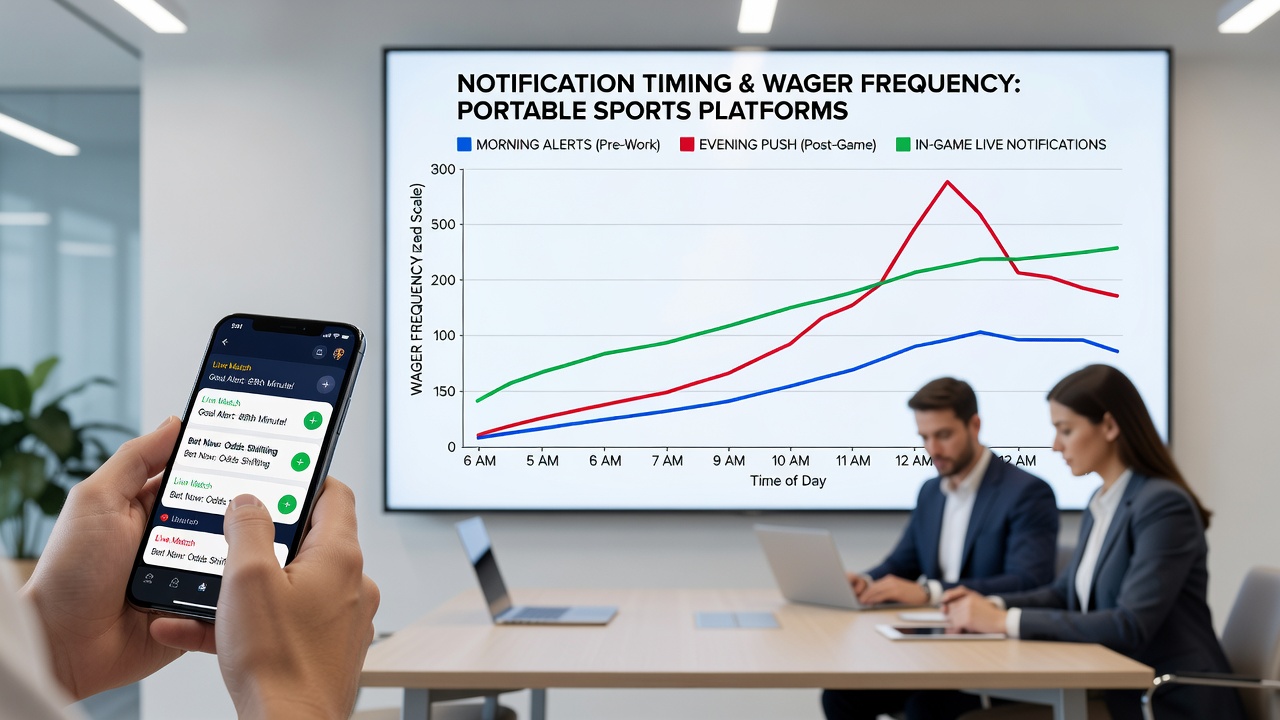
Analyses of user logs indicate that notifications sent between 6 p.m. and 9 p.m. local time often coincide with the highest number of new wagers on weekdays. Weekend patterns shift slightly later, with peaks recorded closer to 8 p.m. to 11 p.m. Researchers tracking anonymized session data across North American operators note that alerts arriving within 90 minutes of a game's start generate a measurable lift in pre-match betting volume compared with messages delivered earlier in the afternoon. In-play notifications timed to specific moments, such as injury reports or momentum shifts, produce shorter but sharper spikes in live wager counts, sometimes within five minutes of delivery.
Regional Data and Platform Metrics
Figures released by the New Jersey Division of Gaming Enforcement document steady growth in mobile handle during evening hours, and similar hourly distributions appear in records from the Massachusetts Gaming Commission. Operators in Ontario report comparable evening concentration through the iGaming Ontario reporting portal. These datasets do not prove causation on their own, yet they align with controlled A/B tests conducted by several major apps where identical content was pushed at staggered times. Groups receiving messages inside the identified evening windows placed 18 to 27 percent more wagers per active session than control groups that received the same alerts two hours earlier.
What's interesting is how time-zone adjustments factor into cross-border user bases. Platforms serving both Eastern and Pacific time zones frequently schedule separate notification queues so that content reaches users near their local evening peak rather than at a single server time. One operator's internal review of June 2026 activity found that synchronized regional timing produced a 14 percent rise in repeat wagers compared with the prior month when a uniform schedule had been used.
Behavioral Studies and Retention Curves
Academic work from institutions including the University of Nevada, Las Vegas has examined how notification cadence interacts with session length. Their findings indicate that users who receive two to three well-spaced alerts per day maintain higher weekly wager counts than those who receive either one alert or five or more. Over-notification appears to correlate with quicker session drop-off, while under-notification leaves engagement flat. The same studies track how weekend tournament schedules alter these curves, noting that alerts timed to early afternoon matches can extend overall session duration when followed by a second message near prime time.
Canadian Gaming Association reports from 2025 and 2026 similarly highlight the role of recurring weekly patterns. Users who receive a midweek reminder about upcoming weekend fixtures show elevated wager frequency on both Thursday and Friday compared with users who receive no such prompt. The lift persists even when the content of the notification remains constant across test groups, suggesting that the timing itself carries predictive value for subsequent betting behavior.
Live Event Triggers and Frequency Shifts
Live notifications tied to in-game events create distinct micro-patterns. Data collected during major soccer and basketball windows shows that alerts sent within 30 seconds of a goal or timeout generate the fastest response rates, yet the total number of additional wagers per user stays modest because the window for action closes quickly. In contrast, notifications previewing the next quarter or half often produce steadier increases that carry into the following period. Operators adjust these triggers continuously, using historical response data to refine delivery thresholds rather than relying on fixed schedules.
Conclusion
Notification timing patterns on portable sports platforms continue to correlate with measurable differences in wager frequency across markets. Evening delivery windows, regional time-zone alignment, and calibrated live-event triggers each show consistent associations in operator data and regulatory reports. As platforms refine their systems through ongoing testing, the relationship between when messages arrive and how often users place bets remains a central focus for both operators and researchers tracking mobile engagement trends.