Shifts in Retention Metrics Tied to Influencer-Driven Referral Networks Within Emerging Fantasy Sports Ecosystems
Yves Lehmann · Jul 15, 2026
Shifts in Retention Metrics Tied to Influencer-Driven Referral Networks Within Emerging Fantasy Sports Ecosystems
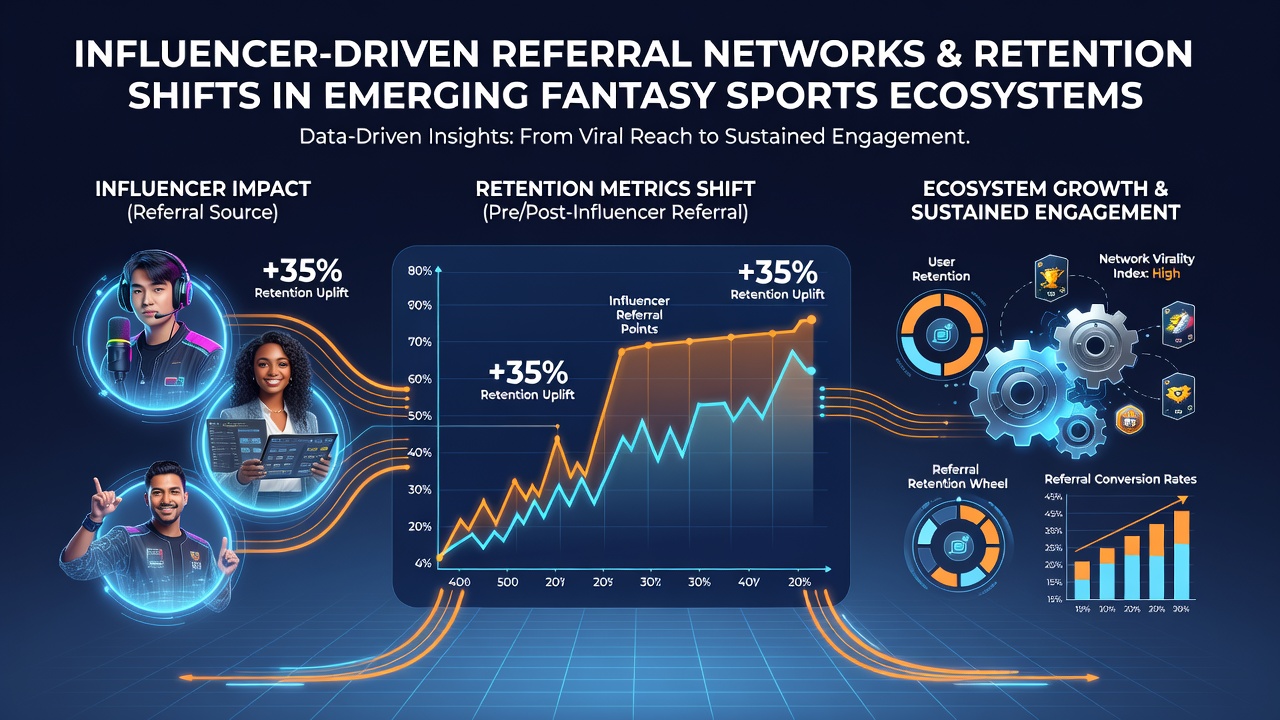
Emerging fantasy sports platforms have seen measurable changes in user retention patterns as influencer-driven referral networks expand their reach across social media channels and mobile ecosystems. Data from multiple operators shows that cohorts acquired through influencer partnerships maintain active participation rates 18 to 27 percent higher than those coming from traditional advertising in the first 90 days after signup. These networks operate through tiered affiliate structures where micro-influencers and mid-tier creators distribute personalized referral codes that unlock entry credits and bonus lineup slots.
Referral Mechanics and Platform Integration
Platforms integrate these referral systems directly into user onboarding flows so that a single code entry triggers both immediate rewards and ongoing tracking of the new user's activity metrics. Observers note that this setup creates layered incentive loops because influencers earn recurring commissions tied to the referred user's continued deposits and contest entries. In July 2026 several daily fantasy operators reported that referral-sourced users completed an average of 4.2 additional lineups per week compared with non-referred cohorts during the same period.
Retention Data Patterns Across Ecosystems
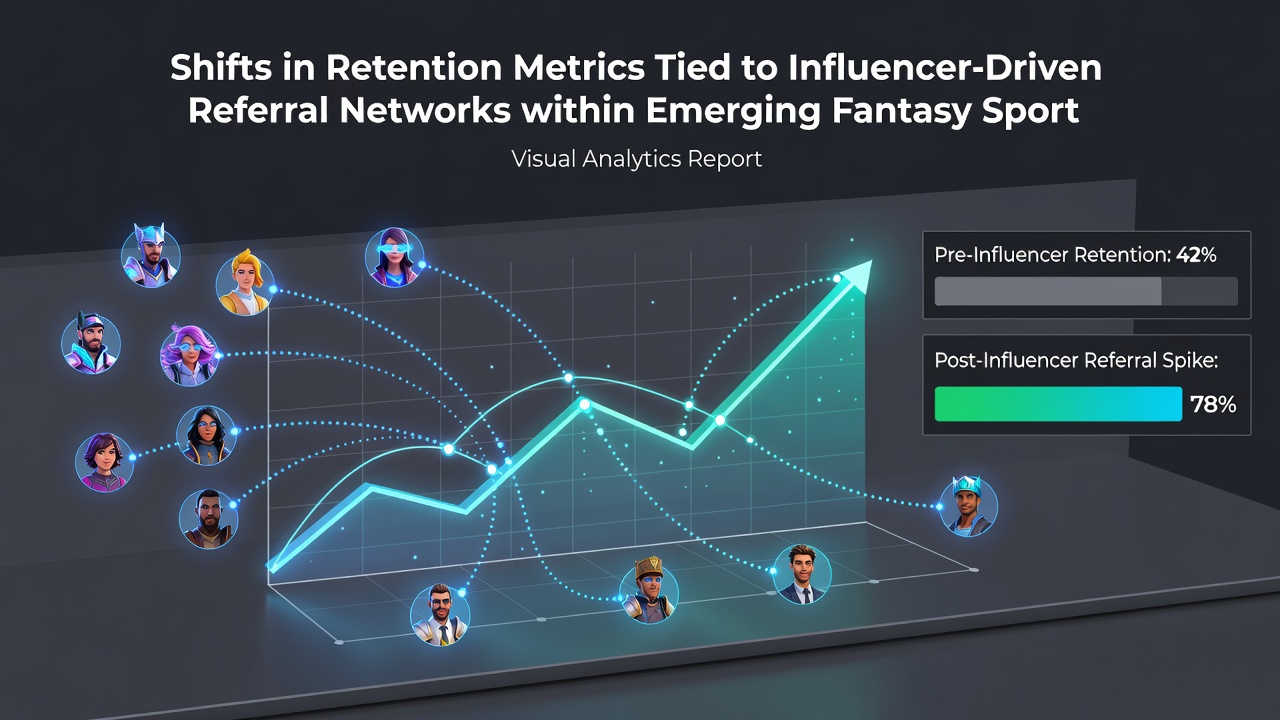
Retention curves shift most noticeably in week three through week six after acquisition when standard marketing-driven users typically show drop-off rates above 60 percent. Influencer-referred users instead demonstrate steadier engagement because ongoing content from the referring creator reinforces platform usage through weekly tips, lineup reviews, and community challenges. Research conducted by the Fantasy Sports and Gaming Association indicates that these sustained touchpoints correlate with a 22 percent reduction in 30-day churn across emerging mobile-first platforms.
Regional Variations in Network Performance
Platforms operating in markets with lighter regulatory oversight on promotional partnerships report faster scaling of influencer networks, while those in stricter jurisdictions focus on compliance-approved creator programs. Operators in Pennsylvania and New Jersey recorded the highest retention lift from influencer channels during the first half of 2026, with average session lengths increasing by 14 minutes per active day. Meanwhile platforms expanding into newer state markets observed that referral networks helped stabilize retention even when overall user acquisition costs rose due to competitive bidding on ad inventory.
Measurement Challenges and Metric Adjustments
Tracking accurate attribution remains complex because users often interact with multiple influencers before converting. Operators have responded by implementing multi-touch attribution models that assign fractional credit across the referral chain while still preserving the primary commission for the final converting creator. These models reveal that users acquired through layered referral paths show the strongest long-term retention when the final influencer maintains consistent content output over subsequent months.
Platform dashboards now segment retention data by influencer tier so that operators can identify which creator categories deliver the most durable user cohorts. Micro-influencers with audiences between 10,000 and 50,000 followers tend to produce higher day-60 retention than macro-influencers because their communities maintain tighter engagement loops and more frequent direct interaction.
Impact on Contest Structures and Prize Pools
Operators have adjusted contest formats and prize distributions in response to these retention shifts. Guaranteed prize pools sized for smaller entry volumes have grown more common because influencer-referred users prefer low-stakes, high-frequency contests that allow repeated daily participation. This preference has led several platforms to introduce referral-exclusive contest types that run alongside standard offerings and carry additional leaderboard bonuses for referred users who maintain activity streaks.
According to data compiled by the Fantasy Sports and Gaming Association, these targeted contest structures have contributed to a 31 percent increase in weekly active users among influencer-acquired segments in markets that launched expanded mobile offerings during spring 2026.
Future Tracking and Ecosystem Evolution
Analysts expect continued refinement of retention measurement tools as influencer networks mature and new platforms enter the space. Cross-platform tracking that follows users across multiple fantasy applications will become necessary once referral codes begin appearing in shared community spaces and group chats. Those who have studied these ecosystems note that the interplay between creator content cadence and user retention will likely remain a central focus for operators seeking sustainable growth in emerging markets.
Conclusion
Influencer-driven referral networks continue to reshape how fantasy sports platforms measure and respond to retention dynamics. The data patterns observed through mid-2026 demonstrate clear differences in engagement longevity between referred and non-referred user groups, prompting operators to adapt contest design, attribution models, and creator partnership strategies accordingly. As these networks expand into additional jurisdictions, the metrics tied to influencer acquisition will remain a key indicator of platform health and user lifecycle performance.