Virtual Reality's Quiet Revolution in Reshaping Live Dealer Experiences for Remote Players
Alex Walter · Aug 3, 2026
Virtual Reality's Quiet Revolution in Reshaping Live Dealer Experiences for Remote Players
Virtual reality technology has begun integrating with live dealer platforms in ways that extend beyond simple streaming upgrades, and operators report steady shifts in how remote participants interact with table games. Data from industry tracking services shows increased investment in VR hardware compatibility across major platforms during 2025 and into August 2026, while developers focus on reducing latency in dealer feeds and creating shared virtual spaces where players can gather around digital tables. These changes build on existing live casino infrastructure that already streams real-time action from physical studios or hybrid setups.
Technical Foundations Driving the Shift
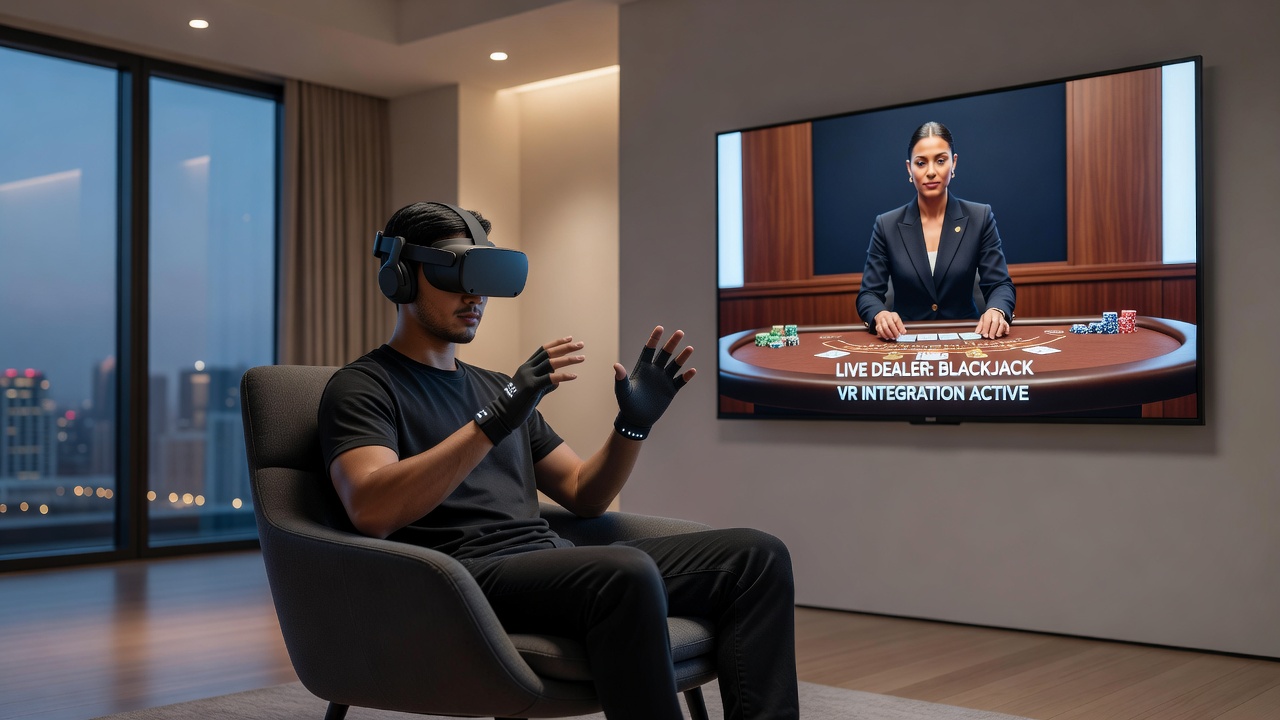
Live dealer systems combine high-definition cameras, real croupiers, and interactive software, yet VR layers add spatial audio, 360-degree views, and hand-tracking controls that let users gesture toward chips or cards. Engineers have refined motion sensors and rendering pipelines so that movements translate smoothly into the virtual environment, and studies from academic research groups indicate lower motion sickness rates when frame rates exceed 90 per second. Platforms now test multi-user lobbies where remote participants appear as avatars seated together, which allows side conversations and reactions that mirror land-based casino dynamics without requiring physical travel.
Player Interaction Patterns in Immersive Settings
Remote users gain access to dealer conversations and table banter through directional microphones and positional audio, while operators document longer average session times once VR interfaces replace flat video windows. One development team observed that players using headsets placed bets more deliberately because the visual scale of chips and cards felt more tangible, and retention metrics from several European operators reflected this pattern through 2025. Accessibility features such as adjustable field-of-view settings and voice commands help accommodate different comfort levels, and integration with existing account systems means players switch between standard live tables and VR modes without separate logins.
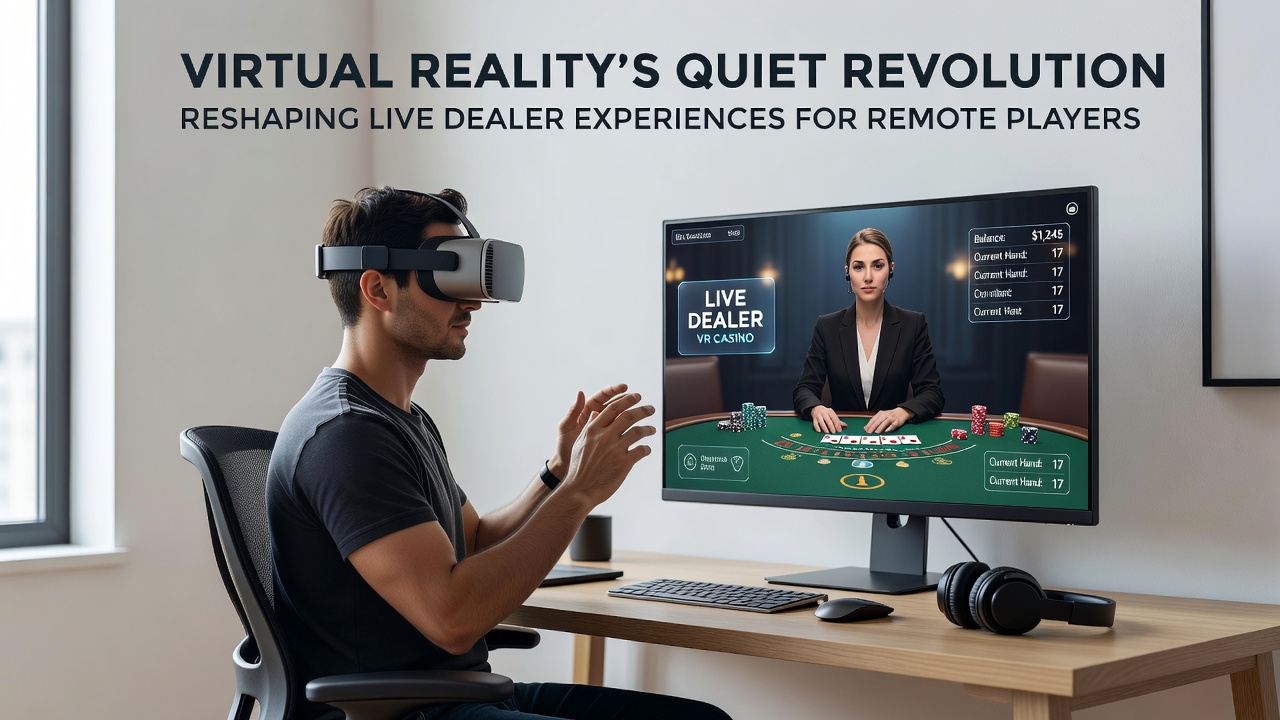
Hardware requirements still limit broad uptake because high-quality headsets remain relatively expensive, although costs have declined as consumer models proliferate. Software updates in August 2026 introduced cross-platform support for popular standalone devices, allowing users to join sessions from living rooms or travel locations without dedicated gaming PCs. Observers note that bandwidth demands stay manageable on modern 5G and fiber connections, yet rural areas with inconsistent service experience occasional interruptions during peak hours.
Industry Data and Regional Developments
Figures from the Nevada Gaming Control Board track rising numbers of VR-enabled table offerings among licensed operators, and similar growth appears in Canadian provincial reports where regulators approved pilot programs for immersive roulette and blackjack. Industry associations compile quarterly adoption rates that show VR live dealer traffic increasing at a measured pace rather than explosive spikes, which aligns with gradual hardware penetration. Training protocols for dealers now include guidance on addressing avatar-based players, and studios adjust lighting and camera placement to optimize the VR perspective.
Challenges in Scaling VR Live Experiences
Regulatory bodies across multiple jurisdictions review how existing rules on game fairness and responsible play apply when environments become fully immersive, and testing procedures now evaluate spatial audio cues that might influence decision speed. Hardware compatibility standards remain under discussion because different headset brands render table layouts at varying resolutions, which can affect card readability during fast-paced games. Security teams focus on avatar authentication to prevent impersonation, and encryption protocols cover both video streams and positional data exchanged between users and servers.
Conclusion
Developments through August 2026 demonstrate that virtual reality continues to layer onto established live dealer frameworks rather than replace them outright, and the resulting environments give remote players expanded options for social and visual engagement. Continued refinements in latency reduction, device affordability, and regulatory alignment will shape the pace of further integration across global markets.